
Introduction
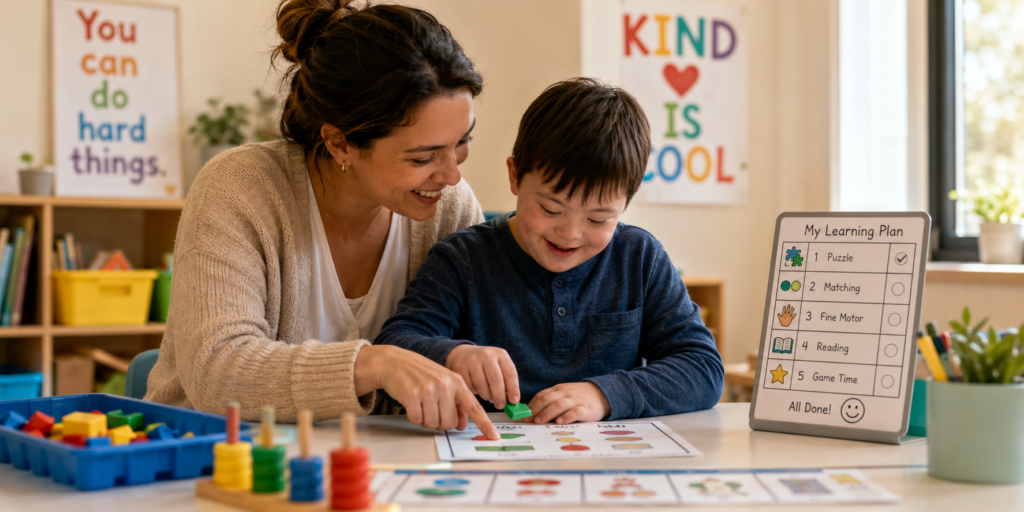
Teaching children with special needs is one of the most rewarding yet challenging responsibilities in education today. In almost every modern classroom, teachers are likely to encounter students with developmental delays, autism spectrum disorder, trauma-related challenges, ADHD, learning disabilities, or emotional and behavioral difficulties. As inclusive classrooms become more common, educators are searching for practical, effective, and compassionate teaching strategies that truly work.
One powerful approach gaining attention in special education is the consecutive task-based system — a structured learning method designed to reduce stress, improve focus, and build confidence in children with diverse learning needs.
This teaching strategy combines short, engaging activities into a smooth learning sequence that helps students stay regulated, motivated, and academically involved. Whether you are a classroom teacher, homeschool parent, special education assistant, or therapist, understanding how this method works can dramatically improve learning outcomes for children with special needs.
What Is a Consecutive Task-Based System?
A consecutive task-based system is a structured learning approach where several short educational activities are completed one after another during a single learning block. Instead of expecting students to sit through long lessons, teachers present multiple mini-tasks that are easy to understand, interactive, and connected to specific learning goals.
These tasks may include:
- Puzzles
- Interactive teaching worksheets
- Matching games
- Tactile activities
- Educational toys
- Digital learning apps
- Visual sorting exercises
- Language activities
- Fine motor skill tasks
Typically, four to six tasks are organized into one session. Students complete them in sequence while using a visual schedule or task strip that shows what comes next and when the session will end.
This simple structure creates predictability, which is especially important for children with autism, anxiety, ADHD, or executive functioning difficulties.
Why Traditional Teaching Methods Often Fail Special Needs Students
Many traditional classroom environments overload students with information. Long explanations, excessive verbal instructions, and complicated transitions can overwhelm children who already struggle with processing information.
In special education settings, students may experience challenges such as:
- Difficulty maintaining attention
- Sensory overload
- Trouble understanding verbal directions
- Anxiety during transitions
- Frustration with difficult tasks
- Emotional dysregulation
- Reduced confidence in learning
When children become overwhelmed, behavior issues often increase. Teachers may incorrectly assume a child is unwilling to learn when the real issue is cognitive overload.
The consecutive task-based system helps reduce this overload by simplifying learning into smaller, manageable steps.
How Consecutive Tasks Support Executive Functioning
One of the most important benefits of this system is that it reduces unnecessary cognitive demands. Instead of forcing children to constantly process new instructions, students become familiar with predictable routines and expectations.
This allows the brain to focus on:
- Problem-solving
- Memory retrieval
- Attention
- Language development
- Academic skill practice
In many cases, children demonstrate far greater abilities once distractions and excessive explanations are removed.
This is particularly important in special education because many students know more than they are able to communicate under stressful or overloaded conditions.
The Importance of Predictability in Special Education
Children with autism spectrum disorder and other developmental challenges often thrive in environments that feel safe and predictable. Sudden changes, unclear expectations, or lengthy teacher-centered instruction can create anxiety and frustration.
A consecutive task-based learning system introduces structure through:
- Clear routines
- Visual schedules
- Consistent task formats
- Short activity durations
- Defined beginning and ending points
This predictability reduces emotional stress and increases engagement.
When students know what is expected, they can focus more energy on learning instead of worrying about uncertainty.
Why Interactive Materials Matter
Interactive materials play a major role in the success of consecutive task-based learning. Children with special needs often respond better to hands-on experiences than passive instruction.
Some highly effective interactive materials include:
Tactile Learning Activities
Hands-on activities help students physically engage with concepts. Examples include:
- Building blocks
- Marble runs
- Velcro matching boards
- Letter tiles
- Counting manipulatives
These tools support sensory learning while improving attention and fine motor skills.
Interactive Teaching Worksheets
Unlike traditional worksheets, interactive teaching worksheets encourage movement, problem-solving, and active participation.
Examples include:
- Cut-and-paste activities
- Matching exercises
- Color-coded sorting tasks
- Lift-the-flap worksheets
- Dry-erase reusable pages
These worksheets keep students involved while preventing boredom and frustration.
Educational Games
Games create motivation and reduce anxiety around learning.
Teachers can use:
- Memory games
- Phonics bingo
- Number puzzles
- Sequencing cards
- Emotion recognition games
Educational games also improve social interaction and communication skills.
Digital Learning Tools
Technology can be extremely effective when used intentionally.
Some useful tools include:
- Reading apps
- Speech therapy apps
- Interactive whiteboard activities
- Digital flashcards
- Adaptive math programs
Digital tasks can serve as motivating rewards while still reinforcing educational goals.
Building an Effective Consecutive Task Session
Creating a successful learning block does not require expensive resources. The key is thoughtful organization and variety.
Step 1: Start With a Visual Schedule
Use a simple visual strip or checklist that shows each activity in order. This helps students understand the sequence and anticipate transitions.
For example:
- Puzzle activity
- Matching worksheet
- Fine motor task
- Reading activity
- Reward game
As each task is completed, students can remove or check it off.
Step 2: Keep Tasks Short
Attention spans vary widely in special education settings. Most tasks should take between 3 and 10 minutes depending on the student’s age and ability level.
Short tasks prevent mental fatigue and allow students to experience success more frequently.
Step 3: Use Variety
Repeating the same worksheet format can quickly increase boredom and behavior issues.
Instead, combine:
- Visual activities
- Movement-based tasks
- Writing exercises
- Sensory activities
- Technology-based learning
Variety keeps students interested and engaged.
Step 4: Include Preferred Activities
One effective strategy is placing a motivating task at the end of the session. This gives students something positive to work toward.
Examples may include:
- An educational iPad game
- A favorite puzzle
- Building activity
- Sensory bin
- Drawing activity
This creates natural reinforcement without relying heavily on external rewards.
Connecting Tasks to Individualized Education Program Goals
In special education, activities should ideally support Individualized Education Program (IEP) objectives.
A consecutive task session can target goals such as:
- Letter recognition
- Reading comprehension
- Counting skills
- Emotional regulation
- Fine motor development
- Communication skills
- Social interaction
- Independent task completion
Because the activities are short and structured, students can practice these goals repeatedly without becoming overwhelmed.
The Power of Repetition in Learning
One major misconception in education is that students always need new activities to stay engaged. For many children with special needs, excessive novelty actually increases stress.
Repetition is often essential for skill mastery.
Using the same interactive materials over several months allows students to:
- Build confidence
- Develop independence
- Strengthen memory pathways
- Reduce anxiety
- Improve accuracy
Teachers can gradually increase task difficulty without completely changing the structure.
For example:
- Adding more puzzle pieces
- Increasing reading complexity
- Introducing larger number sets
- Expanding writing expectations
This gradual progression helps students experience success while continuing to grow.
Finding Affordable Resources for Special Education
Many teachers worry about the time and cost involved in creating specialized learning materials. While preparation does take effort, building a strong collection of resources becomes incredibly valuable over time.
Some excellent places to find materials include:
Classroom Resources
Many effective tools already exist in classrooms:
- Toys
- Building blocks
- Puzzles
- Flashcards
- Art supplies
Creative teachers can adapt these items for multiple educational purposes.
Printable Learning Platforms
Websites offering printable resources can save teachers significant time.
Popular options include:
- Educational blogs
- Printable worksheet websites
- Teacher marketplaces
- Homeschooling communities
Many offer free interactive teaching worksheets and visual supports.
Specialized Curriculum Programs
Some students benefit from evidence-based curriculum systems designed specifically for autism support, speech therapy, or literacy intervention.
Rather than using lengthy curriculum sessions, teachers can integrate smaller portions into consecutive task blocks.
This often improves student tolerance and engagement.
Reducing Classroom Behavior Problems
One of the most powerful outcomes of consecutive task-based learning is the reduction of challenging behaviors.
Students are less likely to experience frustration because:
- Tasks are manageable
- Instructions are simplified
- Expectations are clear
- Sessions are predictable
- Success happens frequently
When children feel capable, they naturally become more cooperative and motivated.
This approach also helps teachers build stronger relationships with students because interactions become more positive and encouraging.
Supporting Inclusion in Mainstream Classrooms
Inclusive education continues to grow worldwide. General education teachers are increasingly supporting students with diverse learning needs within mainstream classrooms.
The consecutive task-based approach can help inclusive classrooms by:
- Providing individualized learning opportunities
- Supporting differentiated instruction
- Reducing classroom disruptions
- Improving student independence
- Increasing academic participation
Even students without diagnosed disabilities often benefit from structured, interactive learning formats.
Why This Teaching Strategy Builds Student Confidence
Confidence is one of the most overlooked elements in education.
Many children with special needs experience repeated academic failure, which can damage motivation and self-esteem. When students consistently struggle, they may begin avoiding tasks altogether.
A task-based system changes this experience by creating achievable success points throughout the learning process.
Each completed task reinforces:
- Competence
- Independence
- Emotional regulation
- Persistence
- Positive learning associations
Over time, students begin seeing themselves as capable learners.
That transformation can affect every area of their education.
The Long-Term Benefits for Teachers
Although preparing task-based learning materials requires effort initially, the long-term benefits are substantial.
Teachers who implement this system often develop:
- Stronger classroom management skills
- Better student engagement
- More effective special education strategies
- Improved confidence working with neurodiverse learners
- A reusable bank of teaching resources
Over time, educators become highly skilled at adapting learning experiences for different student needs.
Many also become valuable support resources within their sch
Teaching children with special needs requires patience, creativity, and flexibility. There is no single perfect method that works for every child, but structured, interactive, and predictable learning systems can make a remarkable difference.
Conclusion
The consecutive task-based system offers a practical framework for helping students feel safe, successful, and engaged in their learning journey.
By using interactive materials, interactive teaching worksheets, visual supports, and short structured tasks, teachers can reduce overwhelm while increasing confidence and academic participation.
Most importantly, this approach reminds educators of something incredibly powerful: many children with special needs are capable of far more than traditional classroom methods allow them to show.
Sometimes, the key is not lowering expectations — it is changing the way learning is presented.
When teachers create supportive environments that reduce stress and encourage success, students often reveal abilities that surprise everyone around them.
And for many children, that one teacher willing to try something different can change the course of their entire educational experience.