

Introduction
Learning difficulties in young children can present challenges in acquiring fundamental skills such as reading, writing, and arithmetic. However, with the right strategies and support, these children can thrive academically and socially. Enhancing learning for children with learning difficulties involves personalized teaching approaches, assistive technology, structured environments, and supportive parental involvement. This article explores effective strategies to improve learning experiences for children facing such challenges.
Understanding Learning Difficulties
Learning difficulties encompass a range of challenges, including dyslexia, dyscalculia, ADHD, and processing disorders. These conditions affect how children receive, process, and retain information. Identifying these difficulties early allows educators and parents to implement targeted interventions, ensuring that learning remains an enjoyable and successful experience for the child.
Strategies to Enhance Learning
1. Personalized and Multisensory Learning Approaches
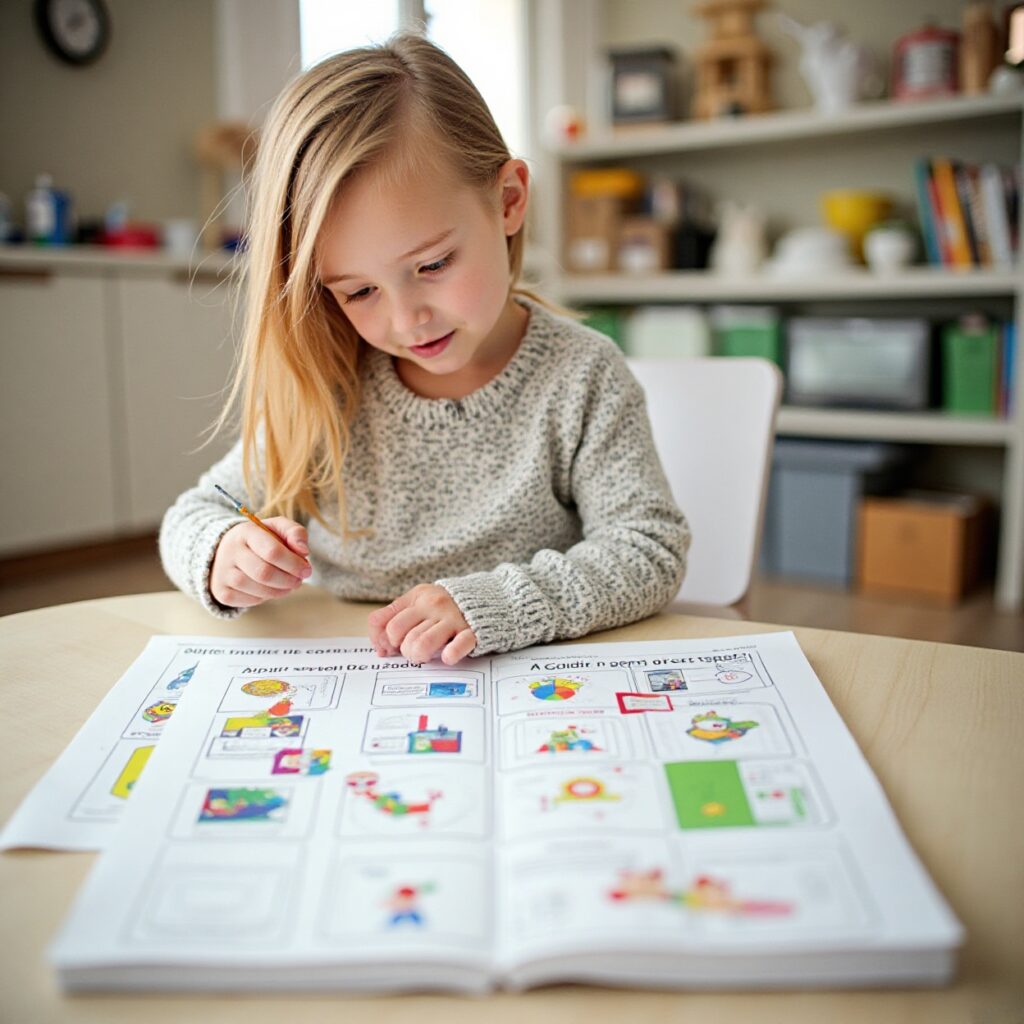
Children with learning difficulties benefit from customized teaching methods that align with their unique learning styles. Multisensory learning—engaging sight, sound, touch, and movement—helps reinforce concepts. For example, using visual aids, interactive games, and hands-on activities can improve comprehension and retention.
2. Use of Assistive Technology
Technological tools such as speech-to-text software, audiobooks, and interactive educational apps support children with learning difficulties. These tools help bridge gaps in reading, writing, and comprehension, making learning more accessible and engaging.
3. Structured and Predictable Learning Environments
Children with learning difficulties thrive in structured settings with clear routines and expectations. A well-organized classroom, consistent schedules, and minimal distractions enhance focus and reduce anxiety. Teachers and caregivers can also use visual schedules and timers to help children manage transitions effectively.
4. Breaking Tasks into Manageable Steps
Complex instructions can be overwhelming. Breaking tasks into smaller, manageable steps makes learning more achievable. Using step-by-step guides and providing frequent breaks helps children stay focused and motivated.
5. Encouraging Positive Reinforcement and Confidence Building
Positive reinforcement, such as praise, rewards, and encouragement, boosts self-esteem and motivation. Recognizing and celebrating small achievements fosters a growth mindset, helping children develop resilience and confidence in their abilities.
6. Parental Involvement and Home-Based Support
Parents play a crucial role in supporting their child’s learning journey. Establishing a structured study routine at home, reading together, and engaging in educational games reinforce classroom learning. Open communication between parents and teachers ensures consistency in strategies and interventions.
Conclusion
Enhancing learning for young children with learning difficulties requires a collaborative effort between educators, parents, and support specialists. By implementing personalized learning approaches, utilizing assistive technology, creating structured environments, and fostering a positive mindset, children with learning difficulties can develop essential skills and achieve academic success. Early intervention and ongoing support ensure that every child receives the opportunity to reach their full potential.